Where to Stay in Shanghai 2026: 4 Neighborhoods Compared by Commute Time, Vibe & Budget
Where to Stay in Shanghai 2026: 4 Neighborhoods Compared by Commute Time, Vibe & Budget Compare 4 Shanghai neighborhoods for first-time visitors with commute times, hotel types by budget, evening activities, and day trip options. Includes metro navigation tips and anti-scam advice. Topics: Places, Cities, Where to Stay, First Trip.
The best Shanghai hotel is rarely the one closest to a single landmark. Choose a neighborhood that makes mornings pleasant and keeps you near a metro line; the city is too large to walk from one universal center. The four areas below cover most first-visit needs — the right choice depends on how many nights you have and what kind of experience you want after a long day of sightseeing.
At a glance
| Neighborhood | Best for | Metro lines | To the Bund | Nightly budget (mid-range) |
|---|---|---|---|---|
| Former French Concession | Atmosphere, cafés, walks | 1, 10, 12, 13 | 15–25 min | ¥500–1,200 |
| People’s Square | Short stays, convenience | 1, 2, 8 | 10 min (Line 2) | ¥400–1,000 |
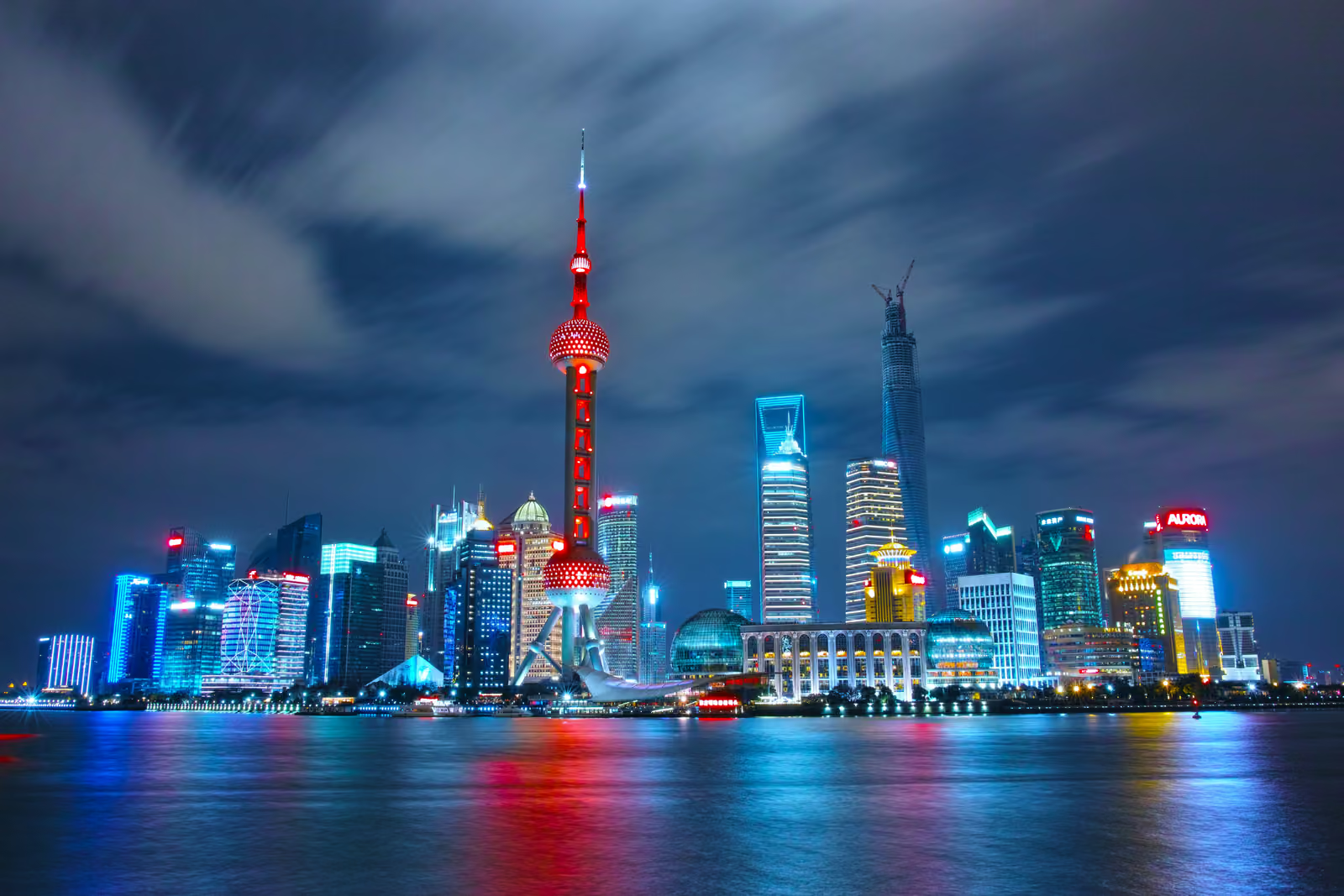
| The Bund | Skyline views, special nights | 2, 10 | Walking distance | ¥800–2,500+ |
| Jing’an | All-round local base | 2, 7, 12, 13 | 15–20 min | ¥400–1,000 |
Commute times from each area
This table shows approximate travel times by metro or taxi from each neighborhood to the places you will likely visit most. These times matter more than the neighborhood name — a hotel described as “French Concession” that is actually a 15-minute walk from the nearest station will feel less convenient than a Jing’an hotel two minutes from a metro.
| From → To | Pudong Airport (PVG) | Hongqiao Airport (SHA) | The Bund | Yu Garden | Disneyland |
|---|---|---|---|---|---|
| Former French Concession | ~60 min (metro) | ~45 min (metro) | 15–25 min | 10–15 min | ~60 min |
| People’s Square | ~70 min (Line 2) | ~35 min (Line 2) | 10 min | 10 min | ~55 min |
| The Bund | ~60 min (taxi) | ~45 min (taxi) | Walking | 10 min | ~65 min |
| Jing’an | ~75 min (metro) | ~40 min (Line 2) | 15–20 min | 15–20 min | ~60 min |
Key insight: People’s Square wins on pure transport math — Line 2 connects it directly to both airports and the Bund. But transport time is only one factor. The atmosphere you come home to in the evening matters too, and that is where the French Concession and Jing’an pull ahead.
Hotel types by budget
Shanghai offers a wide range of accommodation. Understanding what you get at each price level helps you set realistic expectations.
| Budget tier | Per night | What you get | Where to look |
|---|---|---|---|
| Budget | ¥200–400 | Clean chain hotel (Hanting, Home Inn, Ibis), 18–22 sqm, basic amenities | People’s Square edges, Jing’an south, southern FFC |
| Mid-range | ¥400–800 | Boutique hotel or business chain (Atour, Ji Hotel, full-service 4-star), 25–35 sqm | All four areas; best value in Jing’an |
| Upper mid-range | ¥800–1,500 | International 4-star or top boutique, 35–45 sqm, good views possible | FFC, Jing’an, Bund edges |
| Luxury | ¥1,500–5,000+ | 5-star international brands, skyline views, full services | The Bund, FFC, Pudong riverside |
Tips for reading hotel reviews:
- Room size: Shanghai rooms are compact. Under ¥400 often means 15–20 sqm. If space matters, budget ¥500+ and check the listed square meters.
- Noise: Rooms facing a main road (especially Nanjing Road or Huaihai Road) can be noisy even with double glazing. Request a “back-facing” room (朝北) at check-in.
- Heating/cooling: Winter heating in Shanghai is inconsistent — many buildings lack central heating. Check reviews specifically mention heating in winter months.
- Metro distance: Hotels that claim “near metro” can mean 10–15 minutes’ walk. Use the map function on Trip.com or Booking.com to verify the actual distance.
Former French Concession: best atmosphere
Tree-lined streets, cafés, small shops, and low-rise neighborhoods make this the easiest part of Shanghai to enjoy without a plan. Look around South Shaanxi Road (南陕西路), Changshu Road (常熟路), or Jiashan Road (嘉善路) stations. It suits couples, repeat visitors, and anyone who values evening walks over a skyline view.
The trade-off is distance from the Bund and the most direct airport connections. Check the exact walk to the metro because two hotels described as “French Concession” can feel very different in practice. Some are a 15-minute walk from the nearest station.
What to expect: Quiet tree-lined lanes, boutique hotels and guesthouses, excellent cafés and restaurants, Sunday markets. Less convenient for airport transfers (about 50 min from Pudong by metro).
Where to eat: The FFC is Shanghai’s best neighborhood for casual dining. Look for shēngjiānbāo (生煎包, pan-fried soup dumplings) at small breakfast shops on Changshu Road in the morning. For dinner, the area around Fuxing Road (复兴路) and Sinan Mansions (思南公馆) has restaurants ranging from local Shanghainese (běnbāng cài 本帮菜) to international cuisine. Expect ¥60–150 per person at most restaurants here.
Evening activities: The FFC comes alive after dark. Walk along Wukang Road (武康路) in the evening for beautiful colonial architecture lighting. Xintiandi (新天地) has upscale bars and restaurants in restored shíkùmén (石库门) lane houses. For live music, check JZ Club on Yueyang Road — one of Shanghai’s longest-running jazz venues.
People’s Square and Nanjing Road: best for convenience
This is a practical first-visit base. You can reach the Bund, museums, shopping streets, and several metro lines with little friction. It is busy and commercial, but it reduces the number of decisions you need to make during a short stay.
Choose it if you have two or three nights, arrive late, or want simple connections in several directions. Line 2 runs from Pudong Airport through here and on to the Bund and Hongqiao — useful for both arrivals and sightseeing.
What to expect: Crowded shopping streets, department stores, the Shanghai Museum (free, closed Mondays), and Nanjing Road pedestrian mall stretching toward the Bund.
Where to eat: Nanjing East Road (南京东路) near the Bund has many tourist-oriented restaurants that are overpriced and mediocre. Walk two blocks north or south for better options. The food court at New World City (新世界城) offers decent local food at fair prices. For something better, head to Yunnan South Road (云南南路) food street — a 10-minute walk — for Shanghainese specialties like xiǎolóngbāo and red-braised pork (红烧肉) at ¥40–80 per person.
Evening activities: Walk Nanjing Road pedestrian street at night when it is fully lit. The Bund evening light show (7pm, 8pm, 9pm) is visible from the waterfront. Shanghai Museum occasionally hosts evening exhibitions. The Shanghai Grand Theatre on People’s Square hosts performances if you want an evening of culture.
The Bund: best for a special view
A Bund hotel can deliver the classic Shanghai experience, especially for one memorable night. Confirm whether “river view” actually faces the Pudong skyline and whether construction or neighboring buildings interrupt it. The waterfront is beautiful early and late, but some hotels are a longer walk from the metro than the map suggests.
What to expect: Historic buildings, upscale hotels, restaurants with skyline views. Fewer everyday shops and cafés — you will likely head to the French Concession or Jing’an for meals.
Worth it for: One special night on a longer trip. Not ideal as a base for 2–3 nights — you will spend more time traveling to sights and paying premium prices for fewer dining options nearby.
Jing’an: best all-round local base
Jing’an combines strong transport, restaurants, shopping, and a more lived-in feel. It is a good choice for longer stays and business-and-leisure trips. The neighborhood covers a wide area, so use the nearest station—not the district name—as your final filter. Jing’an Temple station (Line 2 and Line 7) is the most useful hub.
What to expect: Mix of old lanes and modern towers, strong restaurant scene (local and international), Jing’an Park for morning walks, good shopping along Nanjing West Road.
Where to eat: The area around Jing’an Temple has some of Shanghai’s best restaurant density. Try the local cāngying guǎn (苍蝇馆, tiny “fly restaurant” eateries) on nearby side streets for authentic Shanghainese food at ¥30–60 per person. Nanjing West Road (南京西路) has international options and cafés. Jing’an Kerry Centre has a good basement food hall for quick meals.
Evening activities: Jing’an Park transforms in the evening with locals dancing, practicing tai chi, and playing cards. Nanjing West Road has excellent cocktail bars and craft beer pubs. The Reel mall (芮欧百货) has a popular rooftop terrace. For shopping, Jing’an has the best mix of international brands and local designers.
How to choose by trip length
| Trip length | Recommended area | Why |
|---|---|---|
| 2 nights | People’s Square | Maximum convenience, minimum transit time. You need every hour for sightseeing. |
| 3 nights | Jing’an or People’s Square | Jing’an if you want better evening food and a more local feel; People’s Square if pure efficiency matters. |
| 4–5 nights | Former French Concession | You have time to enjoy the neighborhood itself. The slower pace rewards longer stays. |
| 5+ nights or return visit | Split your stay | Two nights in the French Concession + one night on the Bund for the experience. |
How to choose
When comparing hotels, check four things in order: walking time to a station (under 10 minutes is ideal), recent room reviews, noise from the street, and the cancellation policy. A beautiful lobby cannot compensate for adding two inconvenient transfers to every day.
Booking tips:
- Platforms: Trip.com (best domestic inventory and often cheapest), Booking.com (good cancellation policies), Agoda (competitive for Asia). Compare prices across at least two platforms — the same hotel can differ by 10–20%.
- How far ahead: For travel in October (peak season) or Chinese New Year, book at least 4–6 weeks ahead. For other months, 2–3 weeks is usually fine.
- Cancellation: Always choose refundable rates if available. Plans change, and the price difference is usually small (¥50–100 per night).
- Room size: Shanghai hotel rooms are compact. Budget ¥400–600 per night for a room that feels spacious; under ¥300 you may get 15–18 sqm.
Airport connections:
- Pudong (PVG): Line 2 reaches central Shanghai in about 70 minutes to People’s Square. Maglev train to Longyang Road station (20 min, ¥50) + metro is faster but involves a transfer with luggage. Taxi to the Bund or French Concession takes 40–60 minutes (¥150–200). See the official Pudong Airport transport guide for current schedules.
- Hongqiao (SHA): Closer and easier — Line 2 to People’s Square in about 35 minutes. Hongqiao also connects to the high-speed rail network — if you are arriving by train from Beijing or another city, you will land here.
Shanghai metro essentials
The metro is the backbone of getting around Shanghai. Here is what you need to know:
| Item | Detail |
|---|---|
| Operating hours | ~5:30am to ~10:30pm (varies by line; last train is earlier on weekends for some lines) |
| Fare | ¥3–10 depending on distance. Pay with Shanghai Public Transport Card or QR code. |
| Payment | Metro app (Metro大都会), Alipay transport QR, or single-journey tickets at machines |
| Language | Station signs and announcements in Chinese and English. Line names use both Chinese and English. |
| Apps to install | Amap (高德地图) or Baidu Maps for navigation; Metro大都会 app for QR ticket entry |
| Rush hours | 7:30–9:00am and 5:30–7:00pm on weekdays. Line 2 and Line 1 are the most crowded. |
| Luggage | Avoid rush hours with large luggage. Elevators/escalators at most stations, but not all. |
Pro tip: Buy a Shanghai Public Transport Card (上海公共交通卡) at any metro station for ¥20 deposit + credit. It works on metro, buses, and taxis. Alternatively, add the Shanghai metro QR code to your Alipay — scan at the gate to enter and exit.
Day trips from Shanghai
If you are staying 4+ nights, day trips expand what you can see without changing hotels.
| Destination | Travel time | Best for | Notes |
|---|---|---|---|
| Zhujiajiao water town | 1 hour (metro Line 17) | Traditional water town, no passport needed | Free entry; boats ¥150. Half-day trip. |
| Suzhou | 25–30 min (high-speed train) | Classical gardens, silk, canals | The Humble Administrator’s Garden and Tiger Hill. Full day needed. |
| Hangzhou / West Lake | 45–60 min (high-speed train) | West Lake, tea plantations, temples | Full day or overnight. One of China’s most beautiful cities. |
| Tongli water town | 1.5 hours (metro + bus) | Less crowded water town alternative | Quieter than Zhujiajiao. Good for a half-day. |
For train booking, see the high-speed train guide. Suzhou and Hangzhou both have their own character — if you enjoy Shanghai’s city energy, these day trips offer a contrast without the commitment of moving hotels.
Anti-scam tips for visitors
Shanghai is generally safe, but tourists encounter specific scams:
- Taxi overcharging: Always use Didi (滴滴) or metered taxis. Unlicensed taxis at airports may refuse the meter. Official taxis are blue/green with a taxi ID number displayed. From Pudong Airport, a legitimate taxi to central Shanghai costs ¥150–200.
- Tea ceremony scam: A friendly stranger invites you to a “traditional tea ceremony” — you are then presented with a bill of ¥1,000+. Politely decline invitations from strangers near Nanjing Road and the Bund.
- Hotel “upgrade” pressure: Some hotels push expensive room upgrades at check-in. If the quoted price is much higher than what you booked, show your confirmation and hold firm.
- Fake metro station exits: Near tourist areas, people may point you to a “shortcut” that leads to a shop. Follow metro signs inside stations, not directions from strangers outside.
Best season to visit Shanghai
| Season | Weather | Hotel prices | Notes |
|---|---|---|---|
| Spring (Mar–May) | 12–22°C, occasional rain | Mid-range | Pleasant but pack a rain jacket. Best for walking neighborhoods. |
| Summer (Jun–Aug) | 25–35°C, humid | Lower (except July) | Hot and sticky. Indoor activities help. Typhoon season in August. |
| Autumn (Sep–Nov) | 15–25°C, dry | Peak in October | Best weather. October is the most popular month — book early. |
| Winter (Dec–Feb) | 2–10°C, damp cold | Lowest | Fewer tourists and cheap hotels. Indoor heating is inconsistent — check hotel reviews for this. |
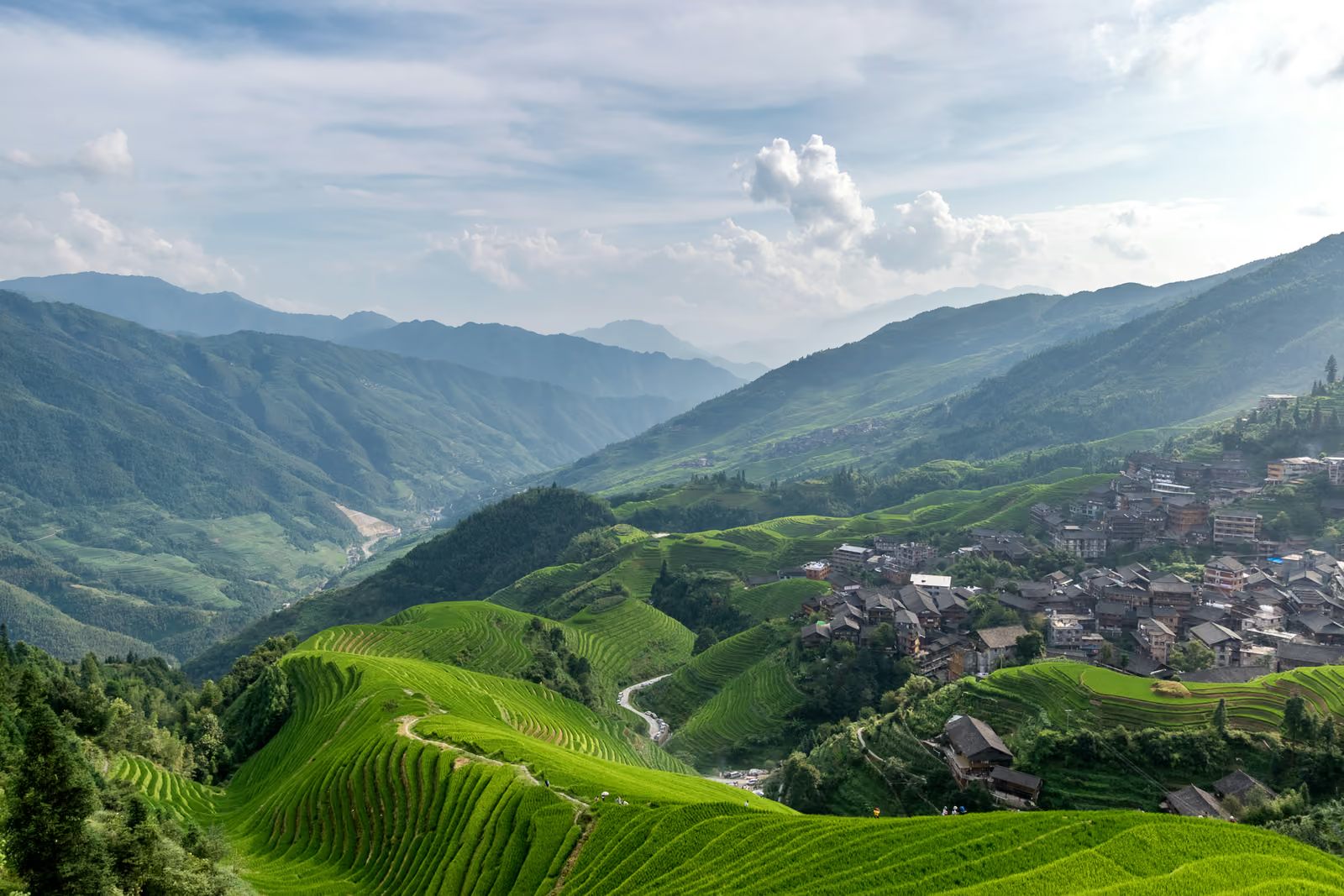
Shanghai is most often the final stop on a first China trip. If you are building a longer itinerary, see how it fits into the first 10 days in China or contrast it with four days in Beijing. Before you book, make sure your payment setup is ready and your visa is sorted. If you are arriving by train, the high-speed train guide covers booking steps and what to expect. For budget planning, see the full China travel budget breakdown. If you want a nature contrast to the city, the Guilin and Yangshuo guide covers China’s most famous karst landscapes.
Where to stay for specific travel styles
The four neighborhoods work differently depending on who you are and how you travel.
| Travel style | Best area | Why | Hotel tip |
|---|---|---|---|
| Solo traveler | Jing’an | Safe at all hours, excellent restaurants within walking distance, strong metro connections. Atour (亚朵) hotels near Jing’an Temple station are popular with solo travelers — clean, modern, ¥400–600/night. | Request a room above the 6th floor for less street noise. |
| Family with children | People’s Square | Short metro rides to Yu Garden, the Bund, and Nanjing Road. Family rooms are more available here than in the FFC. The Shanghai Museum and Shanghai Natural History Museum are both nearby for rainy days. | Look for hotels that offer children under 12 staying free with parents — many mid-range hotels in this area do. |
| Business + leisure (bleisure) | Lujiazui (Pudong) or Jing’an | Lujiazui puts you next to the Shanghai Tower and financial district for work days, with the Bund a short taxi ride away for evenings. Jing’an balances business hotels with evening atmosphere. | Business hotels in Lujiazui often have lower weekend rates — useful if your trip mixes weekdays and weekends. |
| Couples | Former French Concession | Tree-lined streets, intimate cafés, boutique hotels. The FFC rewards slow mornings and evening walks. Consider one night on the Bund for the skyline experience. | Boutique guesthouses in the FFC often have character (restored lane houses, rooftop terraces) that chain hotels cannot match. |
| Budget long-stay (1+ week) | Serviced apartments in Jing’an or southern FFC | Serviced apartments (found on Trip.com and Booking.com) include kitchen facilities and weekly cleaning. ¥300–600/night for a studio with kitchen — cheaper than a hotel for stays over 5 nights. | Negotiate directly with the property for stays over 7 nights — many offer 10–20% discounts that are not listed online. |
Nightlife and evening scenes by area
Shanghai’s evenings look very different depending on where you base yourself.
| Area | Evening vibe | Specific venues | Last transport |
|---|---|---|---|
| FFC / Xintiandi | Upscale bars, restored lane houses, live jazz | JZ Club (Yueyang Road) — jazz since 2005. Xintiandi bars — cocktails in restored shíkùmén (石库门). Wukang Road cafés — quiet evening coffee and people-watching. | Metro until ~10:30pm. Didi (滴滴) available all night. |
| Jing’an | Craft beer, cocktail bars, rooftop terraces | The Reel rooftop (芮欧百货). Nanjing West Road cocktail bars. Jing’an Kerry Centre basement for late-night snacks. | Metro Line 2 and Line 7 until ~10:30pm. Walking distance to many venues. |
| The Bund | Skyline views, high-end restaurants, hotel bars | Flair (Ritz-Carlton, 58th floor) — rooftop cocktails above the skyline. M on the Bund — European food with Pudong views. | Most venues close by midnight. Taxi or hotel car. |
| FFC south / Dayuqiao | Local nightlife, less touristy, cheaper | Live music venues, small wine bars, late-night noodle shops. More local crowd than Xintiandi. | Metro until ~10:30pm. Walkable area. |
Practical notes:
- Shanghai is generally safe at night. Well-lit streets and active nightlife in all four areas.
- Last metro runs around 10:30pm (check your specific line — some end earlier on weekends).
- Didi (ride-hailing) is available 24/7 and cheaper than taxis after 11pm.
- Cover charges are rare in Shanghai bars. Cocktails range from ¥60–120 at most venues.
Hidden costs of choosing the wrong hotel
The nightly rate is not the total cost. A poorly located hotel adds expenses that add up quickly.
Transport cost accumulation:
- A hotel 15 minutes’ walk from a metro station means 4 extra metro rides per day (or taxi rides). At ¥3–10 per metro ride or ¥30–50 per taxi, this adds ¥12–200 per day depending on your habits.
- Over a 5-night stay, that is ¥60–1,000 in extra transport — enough to upgrade to a better-located hotel.
Breakfast inclusion math:
- Hotels that include breakfast often charge ¥100–200 more per night.
- A local breakfast (生煎包 + soy milk) costs ¥10–20 near any metro station.
- Over 5 nights: hotel breakfast ¥500–1,000 extra vs. local breakfast ¥50–100. The savings are significant unless you value the convenience highly.
Service charges and taxes:
- International hotels in China add 10–15% service charge on top of the listed rate. Check the final price before booking.
- Local Chinese hotels (Atour, Ji Hotel, Hanting) typically include all charges in the listed price.
Early check-in and late check-out:
- Arriving before 2pm? Many hotels charge 50% of the nightly rate for early check-in. If you arrive at 6am after a red-eye flight, this can double your first night’s cost.
- Alternative: store luggage at the hotel (free at most places), explore the neighborhood, and come back at 2pm.
Cancellation policy risk:
- Non-refundable rates are typically 10–20% cheaper. But if plans change (flight delays, illness, itinerary adjustments), you lose the full amount.
- For trips to China where visa timing or flight schedules can shift, refundable rates are worth the premium.
Noise, light, and air quality considerations
Shanghai is a dense, bright, and sometimes polluted city. Your hotel room’s orientation and location affect your sleep quality more than the star rating.
Noise:
- Hotels facing Nanjing Road, Huaihai Road, or major intersections can be noisy even with double glazing — especially on floors 5–15 where street sound carries upward.
- Request a room facing the back of the building (朝北, “facing north” — away from the main road). This is a standard request in China and hotel staff will understand.
- FFC side streets and Jing’an back lanes are the quietest central locations.
- Earplugs are worth carrying — not all hotels provide them.
Light:
- Pudong buildings have large LED displays that glow until midnight or later. If you are staying in Lujiazui or on the Bund facing Pudong, request heavy blackout curtains (遮光窗帘).
- Neon signs on Nanjing Road and Huaihai Road can illuminate rooms up to the 10th floor.
- Hotels in the FFC interior (away from major roads) have the least light pollution.
Air quality:
- Shanghai’s AQI (Air Quality Index) ranges from 30–80 on good days and 100–200 on bad days (typically winter). Summer is generally the cleanest season.
- Hotels with fresh air systems (新风系统) filter outside air before it enters the room — check for this in reviews if you are sensitive.
- The AirVisual app provides real-time AQI data for Shanghai. On high-pollution days, indoor activities (museums, cafés, shopping) are more comfortable.
- October through March can bring haze from industrial areas to the north — if this affects your trip, the two-week Yunnan itinerary offers cleaner air as an alternative.
Long-stay and return-visitor strategies
If you are staying more than a week or visiting Shanghai for a second time, the four neighborhoods above are a starting point — but you can go deeper.
Serviced apartments:
- For stays over 5 nights, serviced apartments offer kitchen facilities, weekly cleaning, and often 10–20% lower nightly rates than comparable hotels.
- Search on Trip.com (filter: “apartment”) or Booking.com. Areas near Jing’an Temple and South Shaanxi Road have the best selection.
- Some properties offer monthly rates that are significantly cheaper than nightly rates — ask directly.
Split-stay strategy:
- For trips of 5+ nights, consider splitting your stay between two neighborhoods. Two nights in the FFC (atmosphere, cafés) + two nights on the Bund (skyline, special experience) gives you two different Shanghais.
- The FFC → Bund move is easy by taxi (15–20 minutes, ¥20–30).
Loyalty programs:
- Huazhu Group (华住) operates HanTing, Ji Hotel, Manxin, and Orange Hotel — covering ¥150–600 per night. Their app offers member rates 5–15% below public prices.
- Atour (亚朵) has a popular membership program with free breakfast, late check-out, and book-borrowing. Popular with business travelers.
- If you plan to visit China regularly, joining one of these programs pays for itself after 2–3 stays.
Return-visit destinations (if you have already seen the highlights):
- M50 Creative Park — Contemporary art galleries in former factory buildings. Free entry, less crowded than the Bund.
- 1933 Old Millfun (1933老场坊) — Art deco concrete slaughterhouse converted to a creative complex. Unique architecture, cafés, and boutique shops.
- West Bund (西岸) — Former industrial waterfront turned into a corridor of museums (Long Museum, West Bund Museum) and riverside cycling.
- Sheshan (佘山) — Suburban area with hiking trails, an observatory, and a Catholic basilica. Half-day trip by metro Line 9.
Shanghai food glossary: local dishes to try
Shanghai’s own cuisine (běnbāng cài 本帮菜) is distinct from the food you will find in Beijing, Chengdu, or Xi’an. It emphasizes sweetness, soy sauce braising, and river seafood. These dishes are specific to Shanghai — you will not find them prepared the same way elsewhere in China.
| Dish | Chinese | What it is | Where to find it | Price |
|---|---|---|---|---|
| Xiǎolóngbāo | 小笼包 | Steamed soup dumplings — thin skin, pork filling, hot broth inside | Nanxiang Mantou Shop (Yu Garden area), Jia Jia Tang Bao (FFC) | ¥15–40 per serving |
| Shēngjiānbāo | 生煎包 | Pan-fried soup dumplings — crispy bottom, soft top, soup inside | Changshu Road breakfast shops, Xiao Yang Fry Dumpling (multiple locations) | ¥10–20 per serving |
| Hóngshāo ròu | 红烧肉 | Red-braised pork belly — caramelized soy sauce, melt-in-mouth texture | Any Shanghainese restaurant; Lao Zheng Chun (老正春) on Fuchun Road is classic | ¥40–70 |
| Cōngyóu bànyú | 葱油拌鱼 | Scallion oil fish — steamed fish with ginger and scallion oil | Local běnbāng cài restaurants | ¥50–80 |
| Yóutiáo | 油条 | Fried dough sticks — eaten at breakfast with soy milk or wrapped around sticky rice | Street breakfast carts everywhere, especially near metro stations | ¥3–5 |
| Xiānglà xiǎolóngxiā | 香辣小龙虾 | Spicy crayfish — Shanghai’s obsession in summer | Haidilao, or street-side crayfish stalls along Changshu Road in summer | ¥60–120 per portion |
| Zhālì gāo | 炸里糕 | Fried sticky rice cake — crispy outside, chewy inside, sweet | Street vendors, morning markets | ¥5–8 |
| Dàzhà xiè | 大闸蟹 | Hairy crab — Shanghai’s autumn delicacy (October–November) | Chenghuang Temple area restaurants, specialty crab restaurants | ¥80–300+ per crab |
Where to eat like a local:
- Nanxiang Mantou Shop (南翔馒头店) near Yu Garden — the most famous xiǎolóngbāo shop in Shanghai. Expect a queue (30–60 min on weekends). The takeout window on the ground floor is faster than the upstairs restaurant.
- Jia Jia Tang Bao (佳家汤包) in the FFC — locals’ favorite for xiǎolóngbāo. Less touristy than Nanxiang.
- Yang’s Dumpling (小杨生煎) — chain with multiple locations. Reliable shēngjiānbāo. ¥15–25 for a filling portion.
- Lao Zheng Chun (老正春) — established 1862, the most traditional běnbāng cài restaurant. Expect ¥80–150 per person.
- Green Wave Coffee (绿波廊) — classic Shanghainese dim sum and pastries near Yu Garden.
Seasonal food:
- Spring: Bamboo shoots (春笋) appear on menus — try braised with pork.
- Summer: Crayfish (小龙虾) season. Shanghai’s streets fill with plastic tables and crayfish shells.
- Autumn: Hairy crab (大闸蟹) — the peak is October and early November. Yangcheng Lake (阳澄湖) crabs are the most prized.
- Winter: Lamb hot pot (羊肉火锅) warms up cold, damp Shanghai evenings.
Shopping in Shanghai: what to buy and where
Shanghai is China’s shopping capital — from luxury brands on Nanjing West Road to silk markets and vintage finds. Here is what is worth buying and where to find it without overpaying.
What to buy in Shanghai:
| Item | Why Shanghai | Where to go | Budget |
|---|---|---|---|
| Silk products | Shanghai has been a silk trading center for centuries. Scarves, pillowcases, and pajamas are good quality at reasonable prices. | Shanghai Silk Market (南外滩轻纺面料市场), Nanjing Road silk shops | ¥100–500 |
| Tea | Shanghai tea shops stock every Chinese tea variety. Longjing (龙井) from nearby Hangzhou is the local specialty. | Tianshan Tea City (天山茶城), Ten Ren Tea (天仁茗茶) on Huaihai Road | ¥50–500 |
| Shanghai-style qipao | The iconic Chinese dress originated here. Custom-made qipaos are available in the FFC. | Changning Road tailor shops, FFC boutiques | ¥300–2,000 custom |
| Vintage and antiques | Shanghai’s flea markets have Art Deco jewelry, old posters, Mao-era items, and ceramics. | Dongtai Road Antique Market (weekends), M50 area galleries | ¥50–1,000+ |
| Modern Chinese design | Young Chinese designers sell fashion, homewares, and accessories in FFC boutiques. | Anfu Road (安福路), Wukang Road, Xintiandi | ¥200–2,000 |
| Electronics | Competitive prices on cameras, phones, and gadgets — but check warranty coverage for use abroad. | Xujiahui electronics market (徐家汇), JD.com physical stores | Varies |
Shopping areas by type:
| Area | Best for | Price level | Notes |
|---|---|---|---|
| Nanjing East Road (南京东路) | Department stores, international brands, tourist shopping | Mid to high | Crowded and touristy. Good for familiar brands, less good for unique finds. |
| Nanjing West Road + Jing’an Kerry Centre | Luxury brands, upscale malls, international designers | High | Shanghai’s most prestigious shopping strip. Good for gifts. |
| Huaihai Road (淮海中路) | Mix of international brands and Chinese labels | Mid to high | More local than Nanjing Road. Good for fashion. |
| Anfu Road + Wukang Road | Boutique fashion, independent designers, concept stores | Mid to high | The FFC’s shopping streets. Unique finds, not available elsewhere. |
| Xintiandi | Upscale boutiques, homeware, art galleries | High | Restored lane houses with premium shops. Good for browsing even without buying. |
| South Bund Fabric Market (南外滩轻纺面料市场) | Custom tailoring, silk, cashmere, knock-offs | Low to mid | Bargain hard — start at 30% of asking price. Cashmere scarves ¥100–300, custom suits ¥800–2,000. |
Bargaining tips:
- Bargaining is expected at markets (South Bund Fabric Market, antique markets) but NOT in malls or branded stores.
- At markets, start at 30% of the quoted price and work up to 50–60%. Walking away often brings the price down.
- Fixed-price shops (Xintiandi, Kerry Centre) do not negotiate.
- For silk, check the burn test — real silk smells like burnt hair when a thread is lit; synthetic smells like plastic.
Museums and cultural attractions
Shanghai has more museums per capita than any other Chinese city. If you have a rainy day or want a break from the streets, these are worth your time.
| Museum | Entry | Time needed | Highlights | Notes |
|---|---|---|---|---|
| Shanghai Museum (上海博物馆) | Free | 2–3 hours | Ancient bronze, ceramics, calligraphy, and jade collections — one of the best in China | Closed Mondays. People’s Square location. English labels. |
| Shanghai Natural History Museum (上海自然博物馆) | ¥30 | 2–3 hours | Dinosaur fossils, animated exhibits, beautiful architecture (designed by Perkins&Will) | Jing’an district. Great for families. |
| Power Station of Art (上海当代艺术博物馆) | Free (special exhibitions ¥30–60) | 1.5–2 hours | China’s first state-run contemporary art museum. Shanghai Biennale venue. | Near South Bund. Chinese and international contemporary art. |
| Long Museum West Bund (龙美术馆西岸馆) | ¥60 | 1.5–2 hours | Private collection in a converted coal-hopping building. Striking architecture. | Part of the West Bund museum corridor. |
| Shanghai Science and Technology Museum (上海科技馆) | ¥45 | 3–4 hours | Interactive exhibits, IMAX theater, robot displays | Pudong. Half-day activity. Best for families with children 5–12. |
| Shanghai History Museum (上海历史博物馆) | Free | 1.5–2 hours | Shanghai’s history from fishing village to megacity | Inside the former Shanghai Library building on Nanjing Road. Less crowded than the Shanghai Museum. |
| M50 Creative Park (M50创意园) | Free | 1–2 hours | Contemporary art galleries in former factory buildings | Moganshan Road. Multiple galleries — check which are open on the day. Less polished than the big museums. |
Museum tips:
- Most museums close on Mondays — plan accordingly.
- Bring your passport — some free museums require ID registration at the door.
- Audio guides in English are available at the Shanghai Museum and Shanghai Natural History Museum (¥20–30 deposit).
- Photography is allowed in most museums but flash is usually prohibited.
Pudong sightseeing: which tower, which view
Pudong’s skyline is one of the most recognizable in the world. If you want to go up into it (rather than photograph it from the Bund), here is how the three main towers compare.
| Tower | Height | Observation deck | Ticket | Time needed | Best for |
|---|---|---|---|---|---|
| Shanghai Tower (上海中心大厦) | 632m (118th floor, 546m observation) | China’s highest observation deck | ¥180 | 1.5–2 hours | Highest view. On clear days, you can see for 50+ km. |
| Oriental Pearl Tower (东方明珠) | 468m (upper sphere, 263m) | Glass-floor walkway, history museum inside | ¥199 (combined) | 2–3 hours | Iconic shape. Glass floor is thrilling. Includes a small history museum. |
| Shanghai World Financial Center (上海环球金融中心) | 492m (94th floor, 474m) | Bottle-opener sky bridge | ¥150 | 1–1.5 hours | Less crowded than the other two. Good sunset views. |
Which one to choose:
- One tower only: Shanghai Tower — the highest, newest, and most impressive. Go on a clear day near sunset to see the city in both daylight and nighttime.
- Budget option: Skip all three and take the Bund ferry across to Pudong (¥2). You get the skyline view without paying for a tower.
- Family option: Oriental Pearl Tower — the glass floor excites children, and the history museum inside gives context.
- Avoid crowds: Shanghai World Financial Center is the least visited — good if you want quiet views.
Practical tips:
- Visit near sunset (check sunset time) — you see the city in daylight, golden hour, and nighttime lights in a single trip.
- Book tickets online (WeChat mini-program or Trip.com) — walk-up queues can be 30–60 minutes on weekends.
- Visibility depends on weather — on hazy days, the view from 500m up is just white. Check the weather forecast and go on a clear day.
- The Shanghai Tower elevator reaches 18 m/s — one of the fastest in the world. Your ears will pop.
Themed walking routes
Shanghai rewards walking. These three themed routes give you a half-day of exploration without needing transport.
Route 1: Colonial architecture walk (2.5 hours, 4 km)
Start at the Bund and walk south through the old foreign concessions, seeing Shanghai’s colonial history in stone.
Path: The Bund (start at Waibaidu Bridge) → walk south along Zhongshan East Road → turn right onto Nanjing East Road (walk 2 blocks) → left onto Sichuan Road → continue to Yuanmingyuan Road → walk to Beijing East Road → continue south to the Former French Concession → Wukang Road → end at Hengshan Road.
What you see: British, French, and Art Deco buildings from Shanghai’s treaty port era. The Bund buildings (1920s neoclassical) give way to the smaller, tree-lined streets of the FFC. Wukang Road has the famous Wukang Mansion (武康大楼), a flatiron building designed by Hudec in 1924.
When: Morning (9–11am) for the best light on Bund architecture. Afternoon for the FFC streets.
Route 2: Modern art and coffee walk (2 hours, 3 km)
The FFC’s western edge has Shanghai’s densest cluster of independent cafés, galleries, and concept stores.
Path: Jing’an Temple station → walk south on Changshu Road → turn left onto Fuxing Road → right onto Sinan Road → continue to Sinan Mansions (思南公馆) → walk south to Taikang Road → end at Tianzifang (田子坊).
What you see: Sinan Mansions (restored 1920s lane houses, now cafés and galleries), Tianzifang (a maze of narrow lanes filled with art studios, cafés, and small boutiques). The walk passes through some of the most photogenic streets in Shanghai.
When: Afternoon (2–4pm) — cafés are quieter, and the lanes look best in afternoon light.
Route 3: Old Shanghai and modern Pudong contrast (3 hours, 5 km)
Walk from old Shanghai to new Shanghai in a single route — from Qing-dynasty temple to futuristic skyline.
Path: Yu Garden (start) → walk through the old city bazaar → south to the Confucius Temple area → east to the South Bund → cross the Bund tunnel or take the ferry to Pudong → walk along the riverside to Lujiazui → end at the Oriental Pearl Tower or Shanghai Tower.
What you see: The contrast between old and new Shanghai — the classical Chinese architecture of Yu Garden and the old city gives way to the glass-and-steel towers of Pudong. The ferry crossing (¥2, 10 minutes) is one of the best budget experiences in Shanghai.
When: Start at 2pm so you arrive at Pudong for sunset over the Bund.
Specific hotel recommendations by budget
General budget ranges help, but knowing specific hotels at each price point makes booking faster. These recommendations are based on location, reviews, and value — not sponsored placements.
Budget picks (¥200–400/night)
| Hotel | Area | Room size | Why it works | Watch out for |
|---|---|---|---|---|
| Hanting Hotel (Nanjing Road) | People’s Square edge | 18–22 sqm | Clean, reliable chain. Two-minute walk to People’s Square metro. | No elevator in some older Hanting buildings. Request a room above 3rd floor. |
| Ibis Shanghai Zhujiajiao | Near Zhujiajiao water town | 20 sqm | Good if you want a quiet location near the water town. Metro Line 17 access. | Far from central Shanghai (40 min to People’s Square). Best for water-town-focused trips. |
| Home Inn (Jing’an) | Jing’an south | 18–20 sqm | Quiet side street near Jing’an Temple station. Good breakfast included. | Rooms are compact. Book the “superior” room type for 2–3 extra sqm. |
Budget booking tip: Hanting, Home Inn, and Ibis are China’s most reliable budget chains. They offer consistent quality across locations. Book directly through the Huazhu app (华住) for member rates 5–10% below public prices.
Mid-range picks (¥400–800/night)
| Hotel | Area | Room size | Why it works | Watch out for |
|---|---|---|---|---|
| Atour Hotel (Jing’an Temple) | Jing’an | 28–35 sqm | Modern design, excellent service, free breakfast for members. Three-minute walk to Jing’an Temple station. | Popular with business travelers — book early for weekday stays. |
| Ji Hotel (Former French Concession) | FFC south | 25–30 sqm | Boutique feel, good restaurant, quiet side street. Walkable to Xintiandi. | Some rooms face the back alley — request a “garden view” room for more light. |
| Manxin Hotel (Nanjing Road) | People’s Square | 30–35 sqm | Upscale chain hotel with good amenities. Central location. | Higher price than other mid-range options in the area. Compare with Atour. |
| Full-service 4-star (various) | All areas | 30–40 sqm | International standards, English-speaking staff, business center. | Service charges (10–15%) may not be included in listed price. Check the final total. |
Mid-range value tip: Atour and Ji Hotel offer the best balance of quality, location, and price in Shanghai. Both have membership programs that pay for themselves after 2–3 stays. Atour’s free breakfast and late check-out (2pm) are particularly valuable.
Upper mid-range picks (¥800–1,500/night)
| Hotel | Area | Room size | Why it works | Watch out for |
|---|---|---|---|---|
| Boutique hotels (FFC) | Former French Concession | 35–45 sqm | Restored lane houses, rooftop terraces, character. Unique Shanghai experience. | Older buildings may have smaller elevators or narrower staircases. Not ideal for mobility issues. |
| International 4-star (Jing’an) | Jing’an | 35–45 sqm | Consistent international standards, good business facilities, reliable WiFi. | Service charges and taxes add 10–15% to the listed rate. |
| Bund-edge hotels | Bund south | 30–40 sqm | Walking distance to the Bund without the full Bund premium. Good compromise. | “Bund view” rooms may face a side street, not the river. Confirm the view before booking. |
Upper mid-range tip: Boutique hotels in the FFC offer the most memorable Shanghai experience — restored lane houses with character that chain hotels cannot match. But they vary widely in quality. Read recent reviews carefully, especially comments about noise, heating/cooling, and bathroom condition.
Luxury picks (¥1,500–5,000+/night)
| Hotel | Area | Room size | Why it works | Watch out for |
|---|---|---|---|---|
| The Bund luxury hotels | The Bund | 40–60 sqm | Classic Shanghai skyline views, historic buildings, full service. | Premium prices. “River view” rooms cost ¥500–1,000 more than city-view rooms. |
| Pudong luxury (Lujiazui) | Pudong | 45–70 sqm | Modern towers with skyline views, business facilities, pools. | Less walkable than Puxi. You will take taxis or metro to most sights. |
| FFC luxury boutiques | Former French Concession | 40–55 sqm | Intimate luxury, personalized service, unique design. | Fewer rooms mean less availability. Book 2–3 months ahead for peak season. |
Luxury booking tip: For the best Shanghai luxury experience, choose a Bund hotel with a confirmed Pudong skyline view. The view from your room becomes part of the trip. If budget allows, book a “river view” or “skyline view” room category — the upgrade cost (¥500–1,000/night) is worth it for a special trip.
Airport hotel guide: when to stay near the airport
Most visitors stay in central Shanghai, but airport hotels make sense in specific situations.
When an airport hotel is the right choice
| Situation | Recommended airport | Hotel options | Why it works |
|---|---|---|---|
| Arriving after 10pm, early morning departure | Pudong (PVG) | Holiday Inn Pudong Airport, Donghai Hotel | Avoid a late-night taxi to central Shanghai (¥200+). Morning flights from PVG depart early. |
| Late-night departure, full day in Shanghai | Hongqiao (SHA) | Hongqiao area hotels near Line 2 | Stay central for the day, move to the airport in the evening. Hongqiao is only 35 min from People’s Square. |
| Domestic connection (Shanghai is a stopover) | Either airport | Airport hotels with free shuttle | If your connection is under 12 hours, an airport hotel is more convenient than entering the city. |
| Business trip to Pudong business district | Pudong (PVG) | Lujiazui hotels (not airport hotels) | Lujiazui is 30 min from PVG — closer than most airport hotels to the business district. |
Airport hotel trade-offs
Pudong Airport area:
- Hotels near PVG range from ¥300–800/night (budget to mid-range).
- Most offer free airport shuttle (10–15 minutes).
- Trade-off: You are 60–70 minutes from central Shanghai by metro. If you want to sightsee, stay central instead.
- Best for: Arrivals after 10pm, departures before 7am, or domestic connections.
Hongqiao Airport area:
- Hongqiao Transportation Hub area has many hotels (¥400–1,000/night).
- Hongqiao is closer to central Shanghai (35 min to People’s Square) than Pudong.
- If your flight departs from Hongqiao, you can stay central and take Line 2 directly to the airport.
- Best for: Business travelers using Hongqiao as a hub, or domestic connections.
Maglev + airport hotel combo:
- Take the Maglev from PVG to Longyang Road station (20 min, ¥50), then taxi to a nearby hotel.
- This is faster than metro (70 min to People’s Square) but requires a transfer with luggage.
- Only worth it if your hotel is near Longyang Road station.
Family-friendly hotel amenities in Shanghai
Traveling with children changes what you need from a hotel. Shanghai’s hotels vary widely in family facilities.
What to look for in a family hotel
| Amenity | Why it matters | Where to find it | Typical cost |
|---|---|---|---|
| Family rooms or connecting rooms | Space for everyone without booking two separate rooms | International 4–5 star hotels, some mid-range chains | Usually ¥200–500 more than a standard room |
| Swimming pool | Kids burn energy, rainy-day activity | Upper mid-range and luxury hotels (¥800+/night) | Included in room rate |
| Children under 12 stay free | Saves ¥200–500/night | Many mid-range hotels in People’s Square area | Check the policy when booking — some require children to share parents’ bed |
| Kids’ club or play area | Supervised activities for children | International luxury hotels (Shangri-La, Marriott, Hilton) | Usually included; some charge ¥100–200/hour for supervised care |
| Babysitting service | Parents’ evening out | 5-star hotels | ¥100–200/hour, must book 24 hours ahead |
| Children’s menu in restaurant | Familiar food for picky eaters | International hotels | Usually available |
| Proximity to parks or playgrounds | Outdoor time without travel | Hotels near Jing’an Park, Fuxing Park, or Zhongshan Park | Free |
Best areas for families
| Area | Why it works for families | Hotel types | Nearby family activities |
|---|---|---|---|
| People’s Square | Central location, short metro rides, family rooms widely available | Mid-range chains (Atour, Ji Hotel, Hanting), international 4-star | Shanghai Museum (free), Nanjing Road pedestrian street, Yu Garden (10 min by metro) |
| Jing’an | Parks for outdoor time, restaurants with space, safe streets | Mid-range to upper mid-range | Jing’an Park (playground), Shanghai Natural History Museum (¥30), shopping malls with play areas |
| Pudong (Lujiazui) | Modern hotels with pools, wide streets, less crowded | International 5-star (Shangri-La, Ritz-Carlton, Grand Hyatt) | Shanghai Science and Technology Museum (¥45), Pudong riverside parks, oceanarium |
Family hotel tips:
- Book early for summer (July–August): Families travel heavily in summer. Family rooms and connecting rooms sell out 4–6 weeks ahead.
- Request a crib or extra bed at booking: Most hotels provide cribs free, but availability is limited. Confirm when you book, not at check-in.
- Check the pool schedule: Hotel pools often have limited hours (6am–10pm) and may close for maintenance. Confirm before booking if the pool is important.
- Ask about children’s breakfast: Some hotels offer free breakfast for children under 6; others charge 50% of the adult price.
Accessible accommodation guide
Shanghai’s accessibility has improved, but older buildings and budget hotels may lack proper facilities. If you use a wheelchair or have mobility limitations, check these details before booking.
Accessibility features to verify
| Feature | What to check | Questions to ask the hotel |
|---|---|---|
| Step-free entrance | No stairs at the main entrance, or a ramp with gentle slope (1:12 gradient or less) | “Is there a step-free entrance from the street?” |
| Elevator | Working elevator to all floors, buttons at wheelchair height | “Does the elevator reach all guest floors? Are the buttons low enough for a wheelchair user?” |
| Accessible room | Roll-in shower (not a tub), grab bars, lower sink, wide door (80cm+) | “Do you have rooms with roll-in showers and grab bars? Can you send photos of the bathroom?” |
| Room layout | Enough space to turn a wheelchair (150cm diameter), lower closet rods, accessible balcony | “Is there enough space to turn a wheelchair in the room? Are the closet rods at a reachable height?” |
| Public areas | Accessible restaurant, lobby, and route to metro/exit | “Is the restaurant on the ground floor or accessible by elevator? Is there a step-free route to the nearest metro station?” |
Hotels with confirmed accessibility features
Upper mid-range and luxury (best accessibility):
- International 4–5 star hotels (Marriott, Hilton, Shangri-La, InterContinental) in Jing’an, Lujiazui, and the Bund typically have accessible rooms built to international standards.
- Newer hotels (built after 2015) are more likely to have proper accessibility than renovated older buildings.
Mid-range (variable accessibility):
- Atour and Ji Hotel — newer properties (opened after 2018) often have accessible rooms, but older locations may not. Confirm when booking.
- Avoid budget chains (Hanting, Home Inn) in older buildings — many have stairs at the entrance, no elevator, or very small elevators.
Booking tips for accessible rooms:
- Book directly with the hotel (not through a third-party platform) so you can confirm accessibility details by email or phone.
- Request specific features: “I need a room with a roll-in shower, grab bars, and a wide door. Can you confirm these features?”
- Ask for photos: Request photos of the bathroom and room layout before confirming.
- Confirm at check-in: Verify the room matches what was promised. If not, request a change immediately.
- Metro accessibility: Shanghai Metro has elevators at most stations, but not all. Check the Shanghai Metro accessibility map before your trip.
Neighborhood accessibility ranking
| Area | Accessibility | Notes |
|---|---|---|
| Lujiazui (Pudong) | Best | Modern buildings, wide sidewalks, elevators everywhere. Flat terrain. |
| Jing’an (Nanjing West Road) | Good | Mix of old and new. Main streets are accessible; side lanes may have steps. |
| People’s Square | Good | Flat, wide streets, metro station has elevators. Crowded but navigable. |
| Former French Concession | Variable | Side streets are charming but may have narrow sidewalks, steps, or uneven pavement. Main roads (Huaihai Road) are accessible. |
| The Bund | Good | Waterfront promenade is flat and accessible. Hotels vary — confirm accessibility before booking. |
Digital nomad and remote work hotels
If you plan to work from your hotel during the day, certain features matter more than usual.
What remote workers need
| Feature | Why it matters | Where to find it |
|---|---|---|
| Fast, reliable WiFi | Video calls, file uploads, client work | Upper mid-range and luxury hotels (¥800+/night). Mid-range hotels (¥400–800) have WiFi but speeds vary. |
| Work desk or table | Comfortable workspace (not working from bed) | Most hotels have a desk; boutique hotels may have a small table. Check room photos. |
| Ergonomic chair | Back support for long work sessions | Business hotels (Atour, Ji Hotel) and international chains have better chairs than budget options. |
| 24-hour café or co-working space | Change of scenery, networking | FFC and Jing’an have many cafés with WiFi. Some hotels have co-working lobbies. |
| Late check-out | Work until 2pm or later without rushing | Atour membership includes free late check-out until 2pm. Other hotels charge ¥100–200 for late check-out. |
| Quiet room | Focus without street noise | Request a room facing the back of the building (朝北). Higher floors (8+) are quieter. |
Best hotels for remote workers
| Hotel type | Area | Why it works | Typical price |
|---|---|---|---|
| Atour Hotel (Jing’an Temple) | Jing’an | Free breakfast, late check-out (2pm), good WiFi, business center, bookstore lobby | ¥400–600/night |
| International business hotels (Marriott, Hilton) | Lujiazui or Jing’an | Reliable WiFi, business center, meeting rooms, executive lounge access | ¥800–1,500/night |
| Serviced apartments (Jing’an or FFC) | Jing’an, FFC | Kitchen, separate living/working space, weekly cleaning, often quieter than hotels | ¥500–1,000/night |
| Boutique hotels with co-working lobbies | FFC | Design hotels with cafés or co-working spaces in the lobby. Good for networking. | ¥600–1,200/night |
Remote work tips:
- Test the WiFi speed at check-in: Run a speed test (speedtest.net) in your room. If it’s under 10 Mbps, request a room change or a WiFi extender.
- Ask for a room on a high floor: Lower floors (1–5) are noisier from street traffic. Floors 8–15 are usually quietest.
- Bring a universal adapter: Most Shanghai hotels have both Chinese (three-prong) and international (two-prong) outlets, but older hotels may not.
- Use cafés for variety: The FFC has excellent cafés for remote work (Wukang Road, Anfu Road). Most have WiFi and power outlets. Expect ¥30–60 for a coffee and pastry.
Booking a hotel in Shanghai as a foreigner: what actually happens
Not every hotel in Shanghai is licensed to accept foreign guests. China requires hotels to hold a 涉外酒店 (shèwài jiǔdiàn, “foreign-related hotel”) designation. Budget chains in smaller buildings sometimes lack this license — and you may be turned away at check-in even with a confirmed booking.
How to avoid this problem:
| Strategy | Detail |
|---|---|
| Book through the English version of Trip.com or Booking.com | These platforms generally only list hotels that accept foreigners. The Chinese-language Ctrip (携程) app has a wider inventory but includes some hotels that cannot check in foreign nationals. |
| Look for the “Accepts guests from all regions” label on Trip.com | Some hotels list “仅限中国大陆身份证” (Mainland China ID only). Avoid these. |
| Call or message the hotel before booking | A quick message on Trip.com’s chat confirming “Do you accept foreign passport holders?” saves a lot of trouble. |
| Choose international chains or well-known boutiques | Hotels like Atour, Ji Hotel, Huazhu properties, and all international brands accept foreigners as standard. |
What happens at check-in:
- Passport scan: The hotel will scan your passport photo page, visa page, and Chinese entry stamp. This is a legal requirement, not optional.
- Registration form: Some hotels ask you to fill a paper registration card. Fill it carefully — the information goes to local police.
- Deposit: Most hotels charge a damage deposit (¥200–500 for mid-range, more for luxury). This is refunded at check-out. Pay by cash, Alipay, or WeChat Pay — international credit cards work at major hotels only.
- Receipt: You will receive a 住宿发票 (zhùsù fāpiào, accommodation receipt). Keep it — some visa extensions and expense claims require it.
Is Shanghai suitable for families with young children?
Yes. Shanghai is one of the most family-friendly cities in China. Major shopping malls have baby care rooms, the metro has elevators at most stations, and attractions like the Shanghai Natural History Museum, Shanghai Science and Technology Museum, and Shanghai Disneyland are designed for children. Jing’an and People’s Square are the best neighborhoods for families — choose hotels with family rooms or serviced apartments with kitchen facilities. Bring a collapsible stroller if your children are young, and pack rain gear for summer visits. See the family travel section above for neighborhood recommendations by children’s age.
What if I have mobility issues or use a wheelchair?
Shanghai is navigable with mobility impairments, but accessibility is uneven. Metro Lines 2, 7, 9, 10, 11, 12, and 13 have good elevator coverage. The Bund promenade, Shanghai Museum, Shanghai Tower, and Oriental Pearl Tower are fully wheelchair accessible. International hotels (Marriott, Hilton, IHG) have accessible rooms — book directly and confirm specific features. Domestic budget chains rarely have dedicated accessible rooms. Metro staff can provide platform-to-platform assistance if you call 021-64370000 at least 2 hours before travel. Bring your own collapsible wheelchair if possible — rental options in Shanghai are limited.
Can all hotels in Shanghai accept foreign guests?
No. Chinese law requires hotels to register foreign guests with the local police within 24 hours of check-in. Most international and mid-range hotels handle this daily, but some budget hotels and small guesthouses cannot accept foreigners because they lack the registration system. On Trip.com, filter for “accepts foreign guests” (接待外宾). On Booking.com, check the house rules. Your passport is required at check-in — photocopies are not accepted. If you lose your passport, go to the Shanghai Entry-Exit Administration Bureau (1500 Minsheng Road, Pudong) for a replacement, then update your hotel registration.
Which airport should I fly into for Shanghai?
Hongqiao International Airport (SHA) is closer to central Shanghai (15 km west) and easier to reach — Line 2 to People’s Square takes 30–40 minutes. Pudong International Airport (PVG) is 40 km east and takes 60–75 minutes by Line 2 or 40–50 minutes by Maglev plus metro. International flights mostly use Pudong; domestic and some regional international routes use Hongqiao. If your flights offer a choice, Hongqiao saves 30–40 minutes each way. Hongqiao is also integrated with Shanghai Hongqiao train station — if you are flying in and taking a high-speed train to Beijing or Hangzhou, you can transfer between airport and train station on foot (about 15 minutes).
What should I do on a rainy day in Shanghai?
Shanghai gets rain on 120–140 days per year, especially in June (plum rain season) and August–September (typhoon season). Plan indoor activities: Shanghai Museum (free, 2–3 hours), Shanghai Natural History Museum (¥30, Jing’an), Tianzifang art studios (FFC), or the Shanghai Tower observation deck (visibility may be reduced). A suggested rainy day itinerary: morning at Shanghai Museum, lunch at Yunnan South Road food street, afternoon exploring Tianzifang and FFC lane houses (atmospheric even in rain), evening dinner in Xintiandi. Pack a compact umbrella, waterproof shoes for summer, and a lightweight rain jacket for spring and autumn.
Is Shanghai good for business travel?
Yes — Shanghai is China’s commercial capital. Lujiazui (Pudong) is best for finance and banking meetings, Jing’an (Nanjing West Road) for consulting and law firms, and the Former French Concession (Xintiandi area) for tech startups and creative industries. Coworking spaces include WeWork (¥150–250/day), Xnode (¥100–180/day), and Regus (¥200–350/day). Business hotels range from international chains (Portman Ritz-Carlton, Pudong Shangri-La, ¥1,000–2,500) to domestic business-class (Atour S, ¥500–800). WeChat is essential for business communication — set it up before your trip. Business cards are still exchanged at first meetings; print one side in Chinese if possible. Trade fair season (April and October) causes hotel shortages — book 4–6 weeks ahead.
Boutique rentals and Airbnb complications: Staying in a rented apartment or guesthouse is cheaper but more paperwork. Your host must accompany you to the local 派出所 (pàichūsuǒ, police station) within 24 hours to register — see the visa guide for full details. Some Airbnb-style hosts skip this step, which puts you at risk of a fine (¥500–2,000). If you value hassle-free travel, a hotel is simpler.
If you are turned away: This is rare but happens, especially with smaller hotels during busy periods. Stay calm, show your booking confirmation, and ask to speak to the manager. If the hotel genuinely cannot accept foreigners, ask them to help you book a nearby alternative. Report the issue to Trip.com or Booking.com customer service — they can rebook you and may offer compensation.
Specific hotel picks by neighborhood
These are real hotels that are well-reviewed by international travelers. Prices are approximate and vary by season.
Former French Concession
| Hotel | Type | Price range | Why it stands out |
|---|---|---|---|
| Okura Garden Hotel Shanghai (花园饭店) | Luxury heritage | ¥1,200–2,500/night | 1920s Art Deco building with a French-style garden — the largest private garden in central Shanghai. Steps from South Shaanxi Road station. |
| URBN Boutique Hotel (URBN酒店) | Eco-boutique | ¥600–1,200/night | Carbon-neutral boutique in a restored lane house. One of Shanghai’s earliest green hotels. Quiet side street near Jing’an Temple. |
| Camphor Orchard (香樟苑) | Mid-range guesthouse | ¥400–700/night | Family-run guesthouse with a garden courtyard. Popular with repeat visitors. Near Changshu Road station. |
People’s Square area
| Hotel | Type | Price range | Why it stands out |
|---|---|---|---|
| Le Royal Méridien Shanghai | Upper mid-range | ¥800–1,500/night | Directly on Nanjing Road pedestrian street. Rooms overlooking the Bund on higher floors. International standard service. |
| Shanghai Jinjiang Hotel (锦江饭店) | Classic mid-range | ¥400–800/night | Historic hotel in a 1930s Art Deco building. Large rooms by Shanghai standards. Good value for the location. Near South Shaanxi Road station. |
| Conrad Shanghai (上海康莱德) | Upper mid-range | ¥700–1,300/night | Modern luxury on Nanjing East Road, walking distance to the Bund. Excellent breakfast buffet. |
The Bund
| Hotel | Type | Price range | Why it stands out |
|---|---|---|---|
| The Peninsula Shanghai (上海半岛酒店) | Luxury | ¥2,500–5,000+/night | The best Bund views in Shanghai — every room faces the Pudong skyline. Rooftop restaurant Sir Elly’s is iconic. |
| Hyatt on the Bund (上海外滩茂悦大酒店) | Upper mid-range | ¥800–1,600/night | North Bund location with skyline views at a fraction of Peninsula prices. Good rooftop bar. |
Jing’an
| Hotel | Type | Price range | Why it stands out |
|---|---|---|---|
| The PuLi Hotel and Spa (璞丽酒店) | Luxury boutique | ¥1,500–3,000/night | Urban resort in Jing’an Park. Chinese design meets minimalism. The spa uses Chinese herbal treatments. |
| Atour Hotel (Jing’an Temple) (亚朵酒店) | Mid-range | ¥400–600/night | Clean, modern, popular with business travelers. Free book-borrowing, good breakfast. Consistent quality across the chain. |
| Jing An Shangri-La (静安香格里拉) | Upper mid-range | ¥800–1,500/night | Connected to Jing’an Kerry Centre mall. Excellent restaurants and transport links. Larger-than-average rooms. |
Photography guide: best spots and times by neighborhood
Shanghai photographs differently at every hour. Here is where to go for the best images.
| Location | Best time | What to shoot | Tips |
|---|---|---|---|
| The Bund waterfront | Sunset to blue hour (30 min after sunset) | Pudong skyline reflection on the Huangpu River, colonial buildings lit at night | Arrive 30 min before sunset to claim a spot along the railing. The east-facing Bund gets golden light on Pudong towers in late afternoon. A wide-angle lens (16–35mm) captures the full skyline. |
| Wukang Road (武康路) | 8–10am morning | Plane tree canopy, colonial mansion facades, street cafés | The famous Wukang Mansion (武康大楼) at the intersection looks best in morning side-light. Very few people before 9am. |
| Tianzifang (田子坊) | 2–4pm afternoon | Narrow lane shadows, art studios, colorful doorways | The lanes fill with tourists by mid-morning. Arrive before 9am for empty lanes or shoot in afternoon when the light slants through. |
| Yu Garden | 8:30–9:30am (right at opening) | Classical Chinese architecture, rockery gardens, koi ponds | The garden opens at 8:30am. Tour groups arrive around 10am. The first hour is almost empty and has soft morning light on the rockeries. |
| Jing’an Park | 5–7pm golden hour | Locals dancing, practicing calligraphy on pavement with water, temple glow | Evening golden light through the trees creates beautiful silhouettes. The park is most alive around 6pm. |
| Pudong riverside (Lujiazui) | Night (8–10pm) | Shanghai Tower, Oriental Pearl Tower, and SWFC lit up | Shoot FROM the riverside promenade looking up at the towers. A tripod helps but may be restricted — use a fast lens (f/2.8 or wider) instead. |
| Sinan Mansions (思南公馆) | 10am–12pm | Restored 1920s facades, tree-lined streets, café terraces | The restored colonial houses look best in even, overcast light — Shanghai’s spring and autumn haze works in your favor. |
Practical photography tips for Shanghai:
- Tripods: Many public areas (museums, the Bund promenade) restrict tripod use. Compact travel tripods usually pass unnoticed, but large ones may be challenged by security.
- Drones: Flying a drone in central Shanghai is illegal without a permit. The entire city center is a no-fly zone. Do not risk it.
- Best lens: A versatile zoom (24–70mm) covers most Shanghai situations. A fast prime (35mm f/1.8) is ideal for low-light street photography in the FFC lanes.
- Shooting people: Shanghai locals are generally comfortable being photographed, but always ask permission for close-up portraits. A smile and “kěyǐ pāi ma?” (可以拍吗?, “May I take a photo?”) works everywhere.
Health and safety essentials in Shanghai
Shanghai is one of Asia’s safest cities, but preparation prevents problems.
Emergency numbers:
| Service | Number | Notes |
|---|---|---|
| Police | 110 | English-speaking operators available in most cases |
| Ambulance | 120 | Response time 10–20 min in central areas |
| Fire | 119 | |
| Tourist complaint hotline | 12345 | Shanghai municipal government hotline — English available |
Hospitals with English-speaking staff:
| Hospital | Location | Type | Notes |
|---|---|---|---|
| Huashan Hospital (华山医院, Fudan University) | Jing’an / central Shanghai | Top-tier public hospital | International medical department. English-speaking doctors. Accepts international insurance. |
| United Family Hospital (上海禾新医院) | Multiple locations | International private hospital | Western-standard care. Accepts most international insurance. Expensive but fast and reliable. |
| Parkway Health (百汇医疗) | Multiple locations | International clinic | Good for minor issues, prescriptions, and referrals. English-speaking staff. |
| Raffles Medical (莱佛士医疗) | Multiple locations | International clinic | Walk-in clinic for travelers. Quick appointments. |
Pharmacy basics:
- Pharmacies (药店 — yàodiàn) are everywhere. Most common medicines are available without a prescription.
- Useful Chinese phrases:
- 感冒药 (gǎnmào yào) — cold medicine
- 止痛药 (zhǐtòng yào) — painkiller
- 创可贴 (chuàngkětiē) — Band-Aid
- 肠胃药 (chángwèi yào) — stomach medicine
- 过敏药 (guòmǐn yào) — allergy medicine
- 退烧药 (tuìshāo yào) — fever reducer
- Antibiotics require a prescription in China. See a doctor at a clinic if you need them.
- Bring a supply of any prescription medications from home — specific brands may not be available.
Health precautions:
- Tap water is not drinkable. All hotels provide bottled water. Boiled water (kāishuǐ 开水) is always available — hotels provide electric kettles.
- Air quality: Download the AirVisual or aqicn.org app. On days with AQI above 150, wear an N95 mask (available at any convenience store for ¥5–10). Hotels with fresh air systems (新风系统) are worth the premium on bad days.
- Travel insurance: Strongly recommended. See the budget guide for insurance comparison tips. For claims: keep all receipts and get a diagnosis certificate (zhěnduàn zhèngmíng 诊断证明) from any hospital visit.
Co-working and working remotely from Shanghai
If you need to work during your Shanghai stay, infrastructure is good but has some quirks.
Internet and VPN in hotels:
- Business and international hotels (4-star and above) generally have stable international internet — you can access Gmail, Google, and Western social media without issues.
- Budget hotels (Hanting, Home Inn) sometimes have slower or filtered connections. Ask at check-in: “Is there reliable Wi-Fi for international email?”
- If you need guaranteed connectivity, request a room on the “international floor” (国际楼层) at hotels that offer one.
- Bring a portable Wi-Fi device or tourist SIM with data as backup — see the 10-day itinerary for SIM recommendations.
Co-working spaces:
| Space | Location | Day pass | Notes |
|---|---|---|---|
| WeWork (multiple locations) | Nanjing West Road, Qiantan, others | ¥150–300/day | Reliable Wi-Fi, printing, meeting rooms. Book via wework.com. |
| naked Hub (裸心社) | Jing’an, Hongqiao | ¥100–200/day | Popular with startups. Good community events. |
| The Bund offices | The Bund | ¥200–350/day | Premium coworking with Bund views. |
Best cafés for laptop work:
- The Former French Concession has Shanghai’s highest density of laptop-friendly cafés. Look for places with strong Wi-Fi, power outlets, and no time limit.
- % Arabica (multiple locations) — Good coffee, but often crowded and short-stay oriented.
- Manner Coffee (FFC locations) — Excellent specialty coffee at local prices (¥15–25). Some branches have seating suitable for working.
- Racer Coffee (multiple FFC locations) — Quieter, more space, good for longer sessions.
- Starbucks Reserve Roastery (Nanjing West Road) — Large space, reliable Wi-Fi, but touristy.
Time zone: Shanghai is UTC+8 (China Standard Time). There is no daylight saving time.
Senior traveler accommodation guide
If you are traveling with parents or grandparents (65+), Shanghai can be rewarding but requires planning beyond what the general accessibility guide covers.
Best neighborhoods for seniors
- Jing’an — Flat terrain, good metro access, parks for morning walks, hospitals nearby. Jing’an Park has tai chi groups every morning — a cultural experience in itself.
- People’s Square — Central location, flat walking areas, Shanghai Museum (free, elevators, seating), close to hospitals.
- Avoid: The Bund (crowded, long walks between hotels and metro), FFC hills (some areas have inclines), and any hotel more than 10 minutes’ walk from a metro station.
Hotel features that matter for seniors
- Elevator (essential — many Shanghai hotels are 6–15 floors)
- Walk-in shower (bathtubs are slip hazards — request 淋浴间, línyù jiān)
- Kettle in room (Chinese seniors expect to boil water — all hotels provide this, but check it works)
- Firm mattress (Chinese hotels often have very firm mattresses — this is standard, not a defect)
- Proximity to hospital (Renji Hospital near Jing’an, Huashan Hospital near FFC — know the location)
Medical preparedness for senior travelers
- Carry a card with blood type, allergies, and emergency contact in Chinese.
- Most 4-star and above hotels can call an English-speaking doctor or direct you to a hospital with international services.
- Shanghai has excellent hospitals — Renji Hospital (Jing’an) and Huashan Hospital (FFC edge) both have international departments.
- For minor issues, Watsons pharmacies (屈臣氏) are everywhere and stock common medications.
Pacing the trip for seniors
Seniors tire faster in Shanghai — the city is large, and distances between sights are greater than they appear on maps.
- Plan one major sight per day with rest time. Do not try to pack multiple attractions into one day.
- Metro stations involve long walks and stairs — take taxis (Didi) for distances over 2 km if mobility is limited.
- Afternoon rest at the hotel (2–4pm) makes evenings more enjoyable.
- Carry a foldable stool or cane — queues at popular sights can be long.
Family accommodation: room types and Disney logistics
The family amenities table above shows what to look for. Here is what actually happens when you try to book.
Family room availability reality
Most Shanghai hotels define “family room” as a room with 1 double bed + 1 single bed, or a larger room that can fit a crib. True connecting rooms (two separate rooms with interior door) are rare outside of 5-star international hotels.
If you need space:
- Book a “suite” or “executive room” rather than expecting connecting rooms.
- Serviced apartments (see Long-stay section) are often better for families — kitchen, separate bedroom, more space.
- Alternative: Book two adjacent rooms instead of one large room. Often cheaper than a suite, and everyone gets privacy.
Children’s amenities to request
| Item | Chinese | Availability | Cost |
|---|---|---|---|
| Crib | 婴儿床 (yīng’ér chuáng) | Most 4-star hotels | Free |
| Children’s slippers and toothbrush | 儿童拖鞋和牙刷 (értóng tuōxié hé yáshuā) | Most hotels | Free |
| High chair in restaurant | 儿童餐椅 (értóng cānyǐ) | 4-star and above | Free |
| Babysitting service | 保姆服务 (bǎomǔ fúwù) | 5-star hotels only | ¥100–200/hour |
| Children’s menu | 儿童菜单 (értóng càidān) | International hotels | Usually available |
Request at booking, not check-in: Most hotels provide cribs and children’s amenities free, but availability is limited. Confirm when you book, not when you arrive.
Shanghai Disneyland hotel strategy
Shanghai Disneyland is in Pudong, 50–65 minutes by metro from central Shanghai. If Disneyland is a priority:
Option 1: Stay central, take day trip
- Pros: Access to all Shanghai sights, better restaurants, more hotel choices
- Cons: 50–65 minutes each way (add 2+ hours of transit to your park day)
Option 2: Stay near Disneyland for one night
- Pros: Maximize park time, shuttle buses to entrance, less transit stress with children
- Cons: Disney-area hotels (¥400–1,200/night) are expensive for what you get, neighborhood has no other attractions
- Best for: Families with young children who need midday breaks, or Disney-focused trips
Recommendation: Stay in central Shanghai for most of your trip. If Disneyland is a major focus, spend one night at a Disney-area hotel the night before or after park day. This gives you park convenience without sacrificing city access.
Seasonal pricing events: when hotel prices spike
Shanghai hotel prices are not consistent year-round. Certain events and holidays cause prices to double or triple — and availability to vanish.
Major price spike periods
| Event | When | Price impact | Book ahead | Notes |
|---|---|---|---|---|
| Chinese New Year (春节) | Late Jan or early Feb (lunar calendar) | 50–150% | 2–3 months | Shanghai empties as locals travel home. Many restaurants close. Hotels raise prices despite low demand. |
| National Day Golden Week (国庆节) | October 1–7 | 100–200% | 3–4 months | China’s biggest travel week. Shanghai is packed. Hotels sell out. Prices peak October 2–4. |
| Shanghai International Film Festival | Mid-June | 30–80% | 1–2 months | International visitors flood the city. Bund and FFC hotels book early. |
| Chinese Labor Day (劳动节) | May 1–5 | 50–100% | 1–2 months | Domestic travel peak. Similar to National Day but shorter. |
| Shanghai Fashion Week | October (dates vary) | 20–50% | 1–2 months | FFC boutique hotels book early. |
| Summer vacation (暑假) | July–August | 20–40% | 3–4 weeks | Family travel peak. Disney-area hotels especially affected. |
When prices are lowest
| Period | Why it’s cheap | Trade-offs |
|---|---|---|
| Late Nov–early Dec | Between autumn peak and New Year | Cold and damp (5–12°C). Fewer tourists. |
| Mid-Jan (before Chinese New Year) | Between New Year’s Day and Spring Festival | Cold. Some restaurants closing for preparations. |
| Late Feb–early Mar | After Chinese New Year | Weather still cold. Gradually warming. |
| Mid-June | Between Film Festival and summer | Rainy season (梅雨, méiyǔ) — expect daily rain. |
Pro tip: If your dates are flexible, check hotel prices on Trip.com for different weeks. A 5–7 day shift can save 30–50%. October 8–15 (after National Day) is dramatically cheaper than October 1–7.
Booking during peak periods
If you must travel during a price spike:
- Book early — 3–4 months ahead for National Day, 2–3 months for Chinese New Year.
- Choose refundable rates — plans may need to change if prices become prohibitive.
- Consider alternative neighborhoods — Jing’an and FFC sell out first. People’s Square and Bund edges may have later availability.
- Check mid-week rates — During week-long holidays, Tuesday–Thursday is often cheaper than weekends.
Hotel booking platform comparison: where to book
The platform you use affects price, cancellation flexibility, and available inventory.
Platform comparison
| Platform | Best for | Price | Cancellation | English | Payment |
|---|---|---|---|---|---|
| Trip.com (携程) | Largest domestic inventory, often cheapest | ★★★★★ | Varies by hotel | Excellent | Credit cards, Alipay, WeChat |
| Booking.com | Reliable cancellation, user reviews | ★★★★☆ | Excellent (free cancellation most hotels) | Excellent | Credit cards, PayPal |
| Agoda | Competitive for Asia, flash sales | ★★★★☆ | Good | Good | Credit cards, PayPal |
| Direct hotel app | Loyalty points, member rates | ★★★☆☆ | Varies | Varies | Varies |
| Hostelworld | Budget hostels | ★★★★☆ | Varies | Good | Credit cards |
Platform details
Trip.com (recommended for most travelers):
- Largest selection of Chinese hotels — from 5-star to ¥100 guesthouses.
- Often 5–15% cheaper than Booking.com for the same hotel.
- Interface in English, customer service 24/7 via app chat.
- Downside: Cancellation policies vary. Some hotels are non-refundable even if booked 30 days ahead.
Booking.com:
- Excellent free cancellation — most hotels allow cancellation until 24–48 hours before check-in.
- User reviews are detailed and reliable.
- Downside: Sometimes 10–20% more expensive than Trip.com.
Direct hotel booking:
- Huazhu app (华住) — Hanting, Ji Hotel, Manxin. Member rates 5–15% below public prices.
- Atour app (亚朵) — Member rates, free breakfast, late check-out (2pm).
- Downside: Apps are in Chinese only. Payment may require Alipay or WeChat Pay.
Booking strategy
- Search on Trip.com first — check price and availability.
- Compare on Booking.com — if price difference is small (<10%), book on Booking.com for better cancellation.
- Check hotel’s direct app — if you are a member, direct booking may save 5–15%.
- Book 2–4 weeks ahead for off-peak, 2–3 months for peak season.
- Always choose refundable rates unless savings are substantial (>20%) and dates are certain.
Room inspection checklist: what to check when you arrive
Shanghai hotel rooms vary in condition — even within the same chain. Take 5 minutes to inspect before settling in. If there are issues, request a room change immediately.
Checklist
Bathroom:
- ✓ Hot water works (turn on shower, wait 30 seconds)
- ✓ Toilet flushes properly
- ✓ Drain is not clogged (sink and shower)
- ✓ Towels are clean and dry
- ✓ Toiletries provided (shampoo, soap, toilet paper)
Bed and linens:
- ✓ Sheets are clean (check for stains or hair)
- ✓ Pillows are not lumpy
- ✓ Blanket/duvet is present
Climate control:
- ✓ Air conditioning works (turn on, feel for cold/warm air)
- ✓ Heating works (in winter, turn on and wait 5 minutes)
- ✓ Window opens and closes (if applicable)
Electrical:
- ✓ Lights work (bedside lamp, bathroom, main light)
- ✓ Power outlets work (plug in phone charger to test)
- ✓ Wi-Fi connects (test with phone)
- ✓ Kettle works (fill with water, turn on)
Other:
- ✓ Room is not noisy (listen for 1 minute — street noise, elevator, neighbors)
- ✓ Room does not smell (musty, cigarette smoke, mold)
- ✓ Window has curtains (Shanghai mornings are bright)
If something is wrong
Call reception immediately: “I would like to change rooms, please” (我要换房间, Wǒ yào huàn fángjiān).
Most hotels will accommodate room changes if available, especially for cleanliness or functionality issues. If the hotel is full, ask for compensation (free breakfast, late check-out, or discount).
Common issues in Shanghai hotels
Noise:
- Rooms facing main roads (Nanjing Road, Huaihai Road) can be noisy until midnight.
- Request a back-facing room (朝北, cháoběi) at check-in.
Smell:
- Older hotels may have musty smells from humidity.
- Some rooms smell like cigarette smoke even in “non-smoking” hotels.
- If the room smells, request a change immediately.
Heating in winter:
- Shanghai’s winter heating is inconsistent. Many buildings lack central heating.
- Check reviews for mentions of “heating” (暖气, nuǎnqì) before booking in winter.
Water pressure:
- Top floors (10+) may have low water pressure. Request a lower-floor room if needed.
Mold:
- Bathrooms in older hotels may have mold in grout lines (common in humid climate).
- Request a room change or ask for cleaning.
Frequently asked questions
Which Shanghai neighborhood is best for a first visit?
The Former French Concession offers the best atmosphere with tree-lined streets and cafés. People’s Square is the most convenient base for short stays with easy metro connections in every direction. The Bund delivers the classic skyline view. Jing’an provides the best all-round balance of transport, restaurants, and local life. Your choice depends on what kind of mornings you want — lively and commercial, or quiet and atmospheric.
Is it better to stay in Pudong or Puxi?
Stay in Puxi (the west side of the Huangpu River) unless you have a specific reason to be in Pudong. Puxi contains the Bund, Former French Concession, People’s Square, and Jing’an — most of the sights first-time visitors want. Pudong is the modern business district with skyscrapers and fewer walkable neighborhoods. The main exception: if you have an early flight from Pudong Airport and want a short morning transfer.
Is Shanghai safe for tourists?
Yes. Shanghai is one of the safest large cities in Asia for tourists. Street crime against visitors is very rare. The main risks are typical big-city annoyances: pickpocketing on crowded metro trains, overpriced taxis, and tea ceremony scams targeting solo travelers. Keep valuables secure, use registered taxis or Didi (ride-hailing), and avoid unlicensed guides.
How many days do I need in Shanghai?
Three full days covers the essential highlights: the Bund, Yu Garden, Former French Concession, and one museum or shopping day. Add a fourth day for a water-town day trip (Zhujiajiao or Tongli) or a more relaxed pace. Two days is possible but rushed — you will spend most of your time at major sights without experiencing the neighborhoods that make Shanghai distinctive.
How do I get from Pudong Airport to central Shanghai?
Metro Line 2 runs from Pudong Airport (PVG) to People’s Square in about 70 minutes for ¥7–9. The Maglev train to Longyang Road station (20 min, ¥50) plus metro is faster but requires a transfer with luggage. A taxi to the Bund or French Concession costs ¥150–200 and takes 40–60 minutes depending on traffic. From Hongqiao Airport (SHA), Line 2 reaches People’s Square in about 35 minutes.
What is the best area for budget travelers?
Jing’an and the southern edges of the Former French Concession offer the best value. Look for hotels near Changshu Road, South Shaanxi Road, or Jing’an Temple stations. Budget ¥300–500 per night for a clean, well-located hotel. People’s Square area also has many mid-range options with excellent transport connections. Avoid the Bund for budget stays — hotels there carry a significant premium.
How far is Shanghai Disneyland from central Shanghai?
Shanghai Disneyland is in Pudong, about 50–65 minutes by metro (Line 11) from central Shanghai areas. It is doable as a day trip from any of the four neighborhoods listed above. If Disneyland is a priority, consider staying near the park for one night to maximize time — the Disney-area hotels are cheaper but the neighborhood has little else to offer.
What are the best day trips from Shanghai?
Suzhou (25 min by high-speed train) offers classical gardens and canals. Hangzhou (45–60 min by train) has West Lake and tea plantations. Zhujiajiao water town is reachable by metro Line 17 in about 1 hour. All are feasible as day trips from any of the four neighborhoods. See the high-speed train guide for train booking tips.
What local Shanghai food should I try?
Shanghai’s own cuisine (běnbāng cài 本帮菜) is distinct from other Chinese regional food. Must-try dishes include xiǎolóngbāo (小笼包, soup dumplings), shēngjiānbāo (生煎包, pan-fried soup dumplings), and hóngshāo ròu (红烧肉, red-braised pork belly). For the best xiǎolóngbāo, visit Nanxiang Mantou Shop near Yu Garden or Jia Jia Tang Bao in the Former French Concession. In autumn (October–November), try hairy crab (大闸蟹) — Shanghai’s seasonal delicacy.
Which observation tower should I visit in Shanghai?
If you only visit one tower, choose the Shanghai Tower (632m) — it has China’s highest observation deck at 546m. Visit near sunset for the best experience (daylight, golden hour, and nighttime lights). The Oriental Pearl Tower is the most iconic shape and has a thrilling glass floor. The Shanghai World Financial Center is the least crowded. On hazy days, skip all towers — the view from 500m up is just white. The Bund ferry (¥2) offers the skyline view without paying for a tower.
Where should I go shopping in Shanghai?
For silk and custom tailoring, visit the South Bund Fabric Market (bargain hard — start at 30% of asking price). For international brands, Nanjing West Road and Jing’an Kerry Centre. For independent Chinese designers and boutique fashion, walk Anfu Road and Wukang Road in the Former French Concession. For vintage and antiques, try Dongtai Road Antique Market on weekends. Malls and branded stores have fixed prices; markets expect bargaining.
Are Shanghai’s museums worth visiting?
Yes, especially on rainy days. The Shanghai Museum (People’s Square, free) has one of China’s best collections of ancient bronze, ceramics, and calligraphy. The Shanghai Natural History Museum (¥30, Jing’an) is excellent for families. Most museums close on Mondays and require your passport for entry. If contemporary art interests you, the Power Station of Art and M50 Creative Park offer cutting-edge exhibitions.
Related guides
- Your First Trip to China: A 10-Day Itinerary That Actually Works
- 4 Days in Beijing: A Day-by-Day First-Time Itinerary
- Payments in China: What to Prepare Before You Land
- China Visa Requirements: A Complete Guide
- China by High-Speed Train: The First-Timer’s Planning Guide
- Guilin or Yangshuo: Where Should You Stay?
- How Much Does a Trip to China Cost?
- Zhangjiajie 3-Day Itinerary
Sources and official links
- Travel in Shanghai — Shanghai Municipal Government
- Shanghai Metro system map — Shanghai Shentong Metro Group
- Shanghai Pudong International Airport transport options — Shanghai Airport (Group) Co.
- Shanghai Tourism — official travel information — Shanghai Municipal Government
- Shanghai Metro passenger code of conduct — Shanghai Shentong Metro Group
Related Posts
Zhangjiajie 3-Day Itinerary 2026: Exact Routes, Timing & Crowd-Avoidance from a Real Visit
A practical 3-day Zhangjiajie itinerary with hour-by-hour timing, shuttle bus routes, and crowd-avoidance strategies. Covers the national forest park (Yuanjiajie, Tianzi Mountain) and Tianmen Mountain — with a 2-day express option and a 4-day relaxed plan.
4 Days in Beijing (2026): First-Timer's Itinerary Without the Backtracking